Linear workflow
I comp in linear space: there a pixel is proportional to the real amount of light, so adds, blur, defocus and motion blur behave the way they do in a camera, and bright highlights and CG in float aren’t clipped at 1.0.
I build shots nobody can tell were built.
Nuke compositor based in Lipetsk, Russia. Compositing since 2020; before that I shot, edited and made broadcast graphics for TV. I work in NukeX, manage colour in ACES 2.0 and do roto by hand. Films, series, music videos, commercials.
Read · click a card to watch the full version with sound
Read1klikklak_cafe_comp_v012
UE scene and lighting, render passes, keying, compositing
Read2cg_background_FINAL
3D set in Blender, keying, tracking, clean-up, finishing
Read3DZ_Int_Huawei_CG_BRKDWN
Keying, integration into plates and a phone screen, shadows, colour matching
Read4oni_v_nebe_9maya
Direction, environment, lighting, rendering, editing — all by me
Read5MT_room_exr_v009
Scene, lighting, rendering, compositing
Read6NewLevelSequence
Environment, lighting, compositing
Read7loginof_mascot_v003
3D modelling and texturing
Official videos on YouTube I worked on as part of the team.
feat. Headie One & Aitch. With the DETY CGI studio, together with Spirit View. Directed by Late Milk.
Clean-up: removing everything that shouldn’t be in the frame. Work that’s meant to be invisible.
Grade1 · the technical part
// why technical shots are safe with me
I came to compositing from behind the camera: for years I shot, lit and edited. So I look at a frame like a camera operator — which lens, where the light source is, how the sensor behaves — and make sure every added layer obeys the same optics and the same light as the plate.
When the obvious route fails, I look for the non-obvious one.
I comp in linear space: there a pixel is proportional to the real amount of light, so adds, blur, defocus and motion blur behave the way they do in a camera, and bright highlights and CG in float aren’t clipped at 1.0.
My whole pipeline runs on ACES. Footage from different cameras and colour spaces goes to one standard and is delivered in whatever space the client needs, without distortion.
My main format for internal stages.
ZIP, lossless; for delivery — DWAA 45 on request16/32-bit float when the shot has bright sources or CGProRes — for review and hand-offFrom camera metadata I take the sensor, lens, focal length and aperture — for tracking and lens distortion.
I never touch timecode or shot length, so the shot drops back into the edit without offsets.
It’s on every shot, even when only keying was asked for. AI roto is only for rough previews.
Clean plate → base key in IBK → Keylight / Primatte / Ultimatte passes for core and edges → combine → despill through an edge matte and recolouring → match levels and colour to the background.
Removing markers, rigs and debris, stabilisation, rebuilding texture (including skin under markers), clean plates.
2D and planar — in Nuke and Mocha Pro on almost every project. 3D camera — in Nuke (both the classic and the new 3D system), previously PFTrack. 3DEqualizer is next on my list.
Undistort / redistort from lens grids and STMaps, overscan — so there are no empty edges after redistortion.
Denoise → comp → grain restored with DasGrain.
I match defocus, motion blur and chromatic aberration to the characteristics of the plate’s lens.
← the graph scrolls →
The new 3D system, camera projection, ScanlineRender.
Matte painting on a tracked camera: I cut a stadium from a single image into pieces and placed them in space to keep the parallax.
My own menu.py / init.py, scripts that auto-name things from project files, my own gizmos.
I write Nuke plugins with AI assistants. Right now I’m finishing CueWave — audio right inside Nuke, to sync CG to a finished soundtrack (more below, in “Tools”).
Currently learning CopyCat.
A helper that speeds the work up, not something that does it for me.
My own folder structure and naming. No file ever gets lost.
project_scene_shot_stage_version
Studio pipelines — ShotGrid. For my own projects — my own platform, Gridman.
Case under NDA · no video, so here’s a diagram
The camera pulls back from the cockpit window of an aircraft in flight. A real plane was filmed, but only its cockpit windows had to stay — everything else had to be replaced with a 3D model of a different aircraft.
// problems
// solution
NoOp1 · self-assessment, scale 0–4
FrameRange1 · 2015 → now
Since when I’ve used it and how well.
After Effects → NukeX
I’d been in After Effects since 2018: motion first, compositing from 2020. By 2025 the projects had outgrown AE: grain in 32-bit and complex comps were held together by workarounds. Even a black background is simply no data in Nuke, while in AE you have to remove it separately.
At the end of 2025 I started Nuke with the ARGUNOV.SCHOOL lessons. Three months later I was using it on real projects, and in 2026 I switched completely. At first I downloaded other people’s gizmos; half a year later I started building my own — they fit my work better.
The hardest part was switching to technical, mathematical thinking. What Nuke gave me most is nodes: change one value and the whole chain recalculates — no digging through layers. And stability.
After Effects stays for complex motion work and for finishing other people’s AE projects.
Gizmos · coding with AI — on top of the main job
I build tools to remove the routine and the mistakes that eat deadlines.
A project manager for VFX and CGI: shots, versions, a review player with ACES presets, frame-accurate notes. Plugins for Nuke, After Effects, Blender and DaVinci Resolve. From Nuke — a shot panel, publishing a render as a version straight from the Write node, notes that jump to the right frame.
gridman.pro ↗A desktop app: renaming, project checks, transcoding.
gridman.pro/tools ↗A Nuke plugin: audio and syncing CG to a soundtrack. In development.
~90%
Built with Claude Code — like a Nuke script: sections are nodes, navigation is the graph. With its own admin panel and a private section for NDA work.
AppendClip1 · from DJ to NukeX
Self-taught in VFX: articles, books, videos. Each node is what led to the next one.
Video is where I stayed.
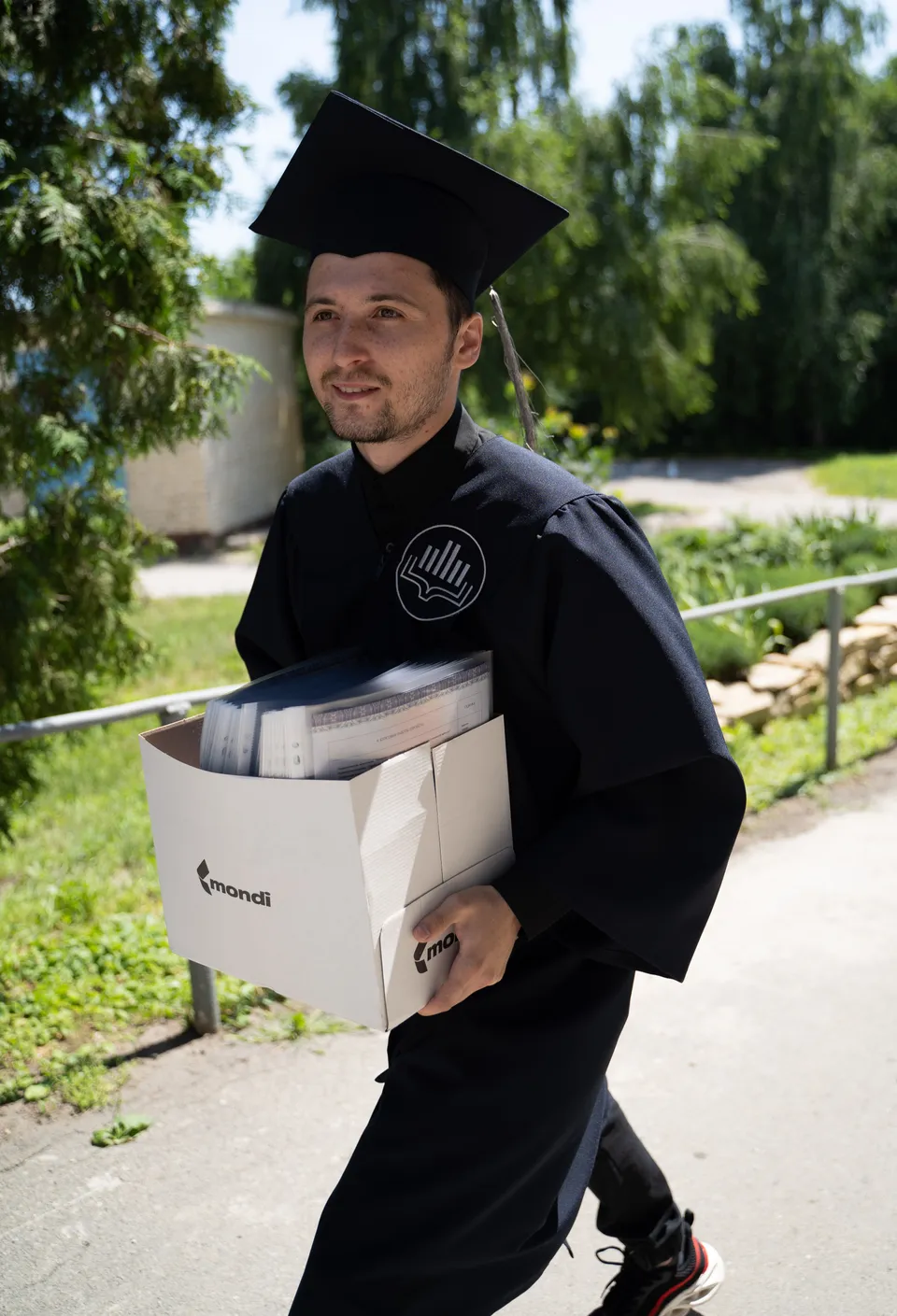
University · Lipetsk State Pedagogical University
First STV LSPU, then just STV; after I left it became MEDIAKUB. Bachelor’s and master’s degrees (2019) in social work.
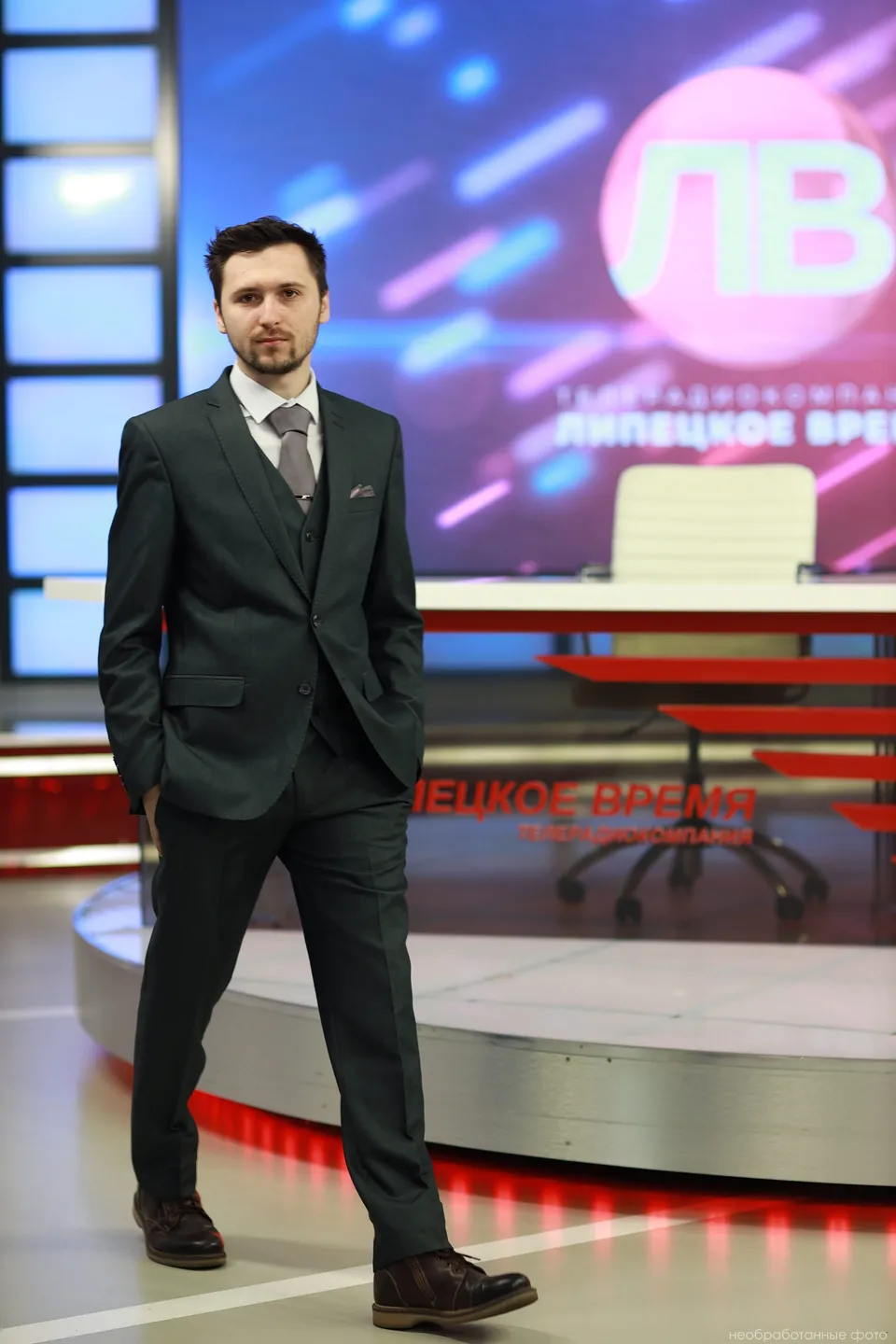
Lipetskoe Vremya TV channel
Channel branding, live broadcast graphics, a system that sped up graphics work for editors; towards the end — directing and producing promos.
“Digital design basics” course (Netology).
Since 2021 and to this day.
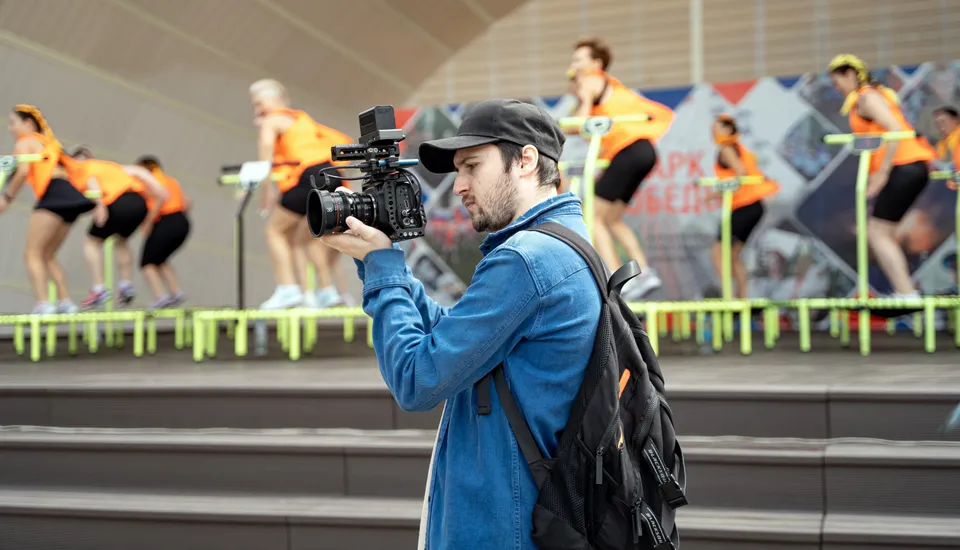
Lipetsk Cultural Spaces
Years with a camera in hand — that’s where my camera operator’s eye comes from.
A space series for a TV channel (under NDA, never released).
In 2023 I picked up Unreal Engine and Blender, in 2024 — ShotGrid and DaVinci Resolve. That’s also when I first looked at Nuke.
For three months I taught a video production basics course at a social media production school. The course ended with commercials the students shot themselves.
With the ARGUNOV.SCHOOL lessons.
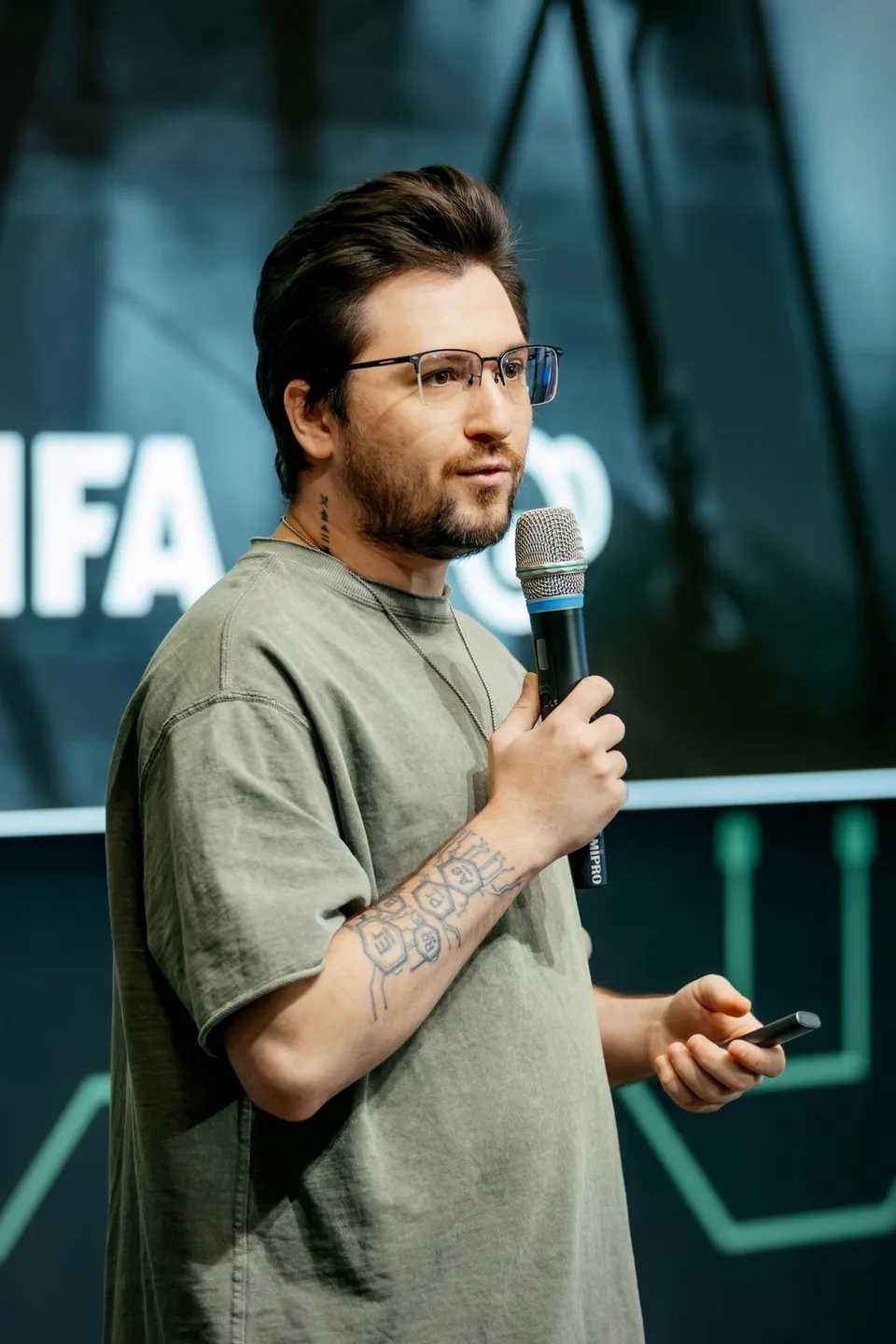
Now
Gridman, CueWave. Looking for a studio position — remote, or on-site when the job needs it.
StickyNote · a person, not a résumé
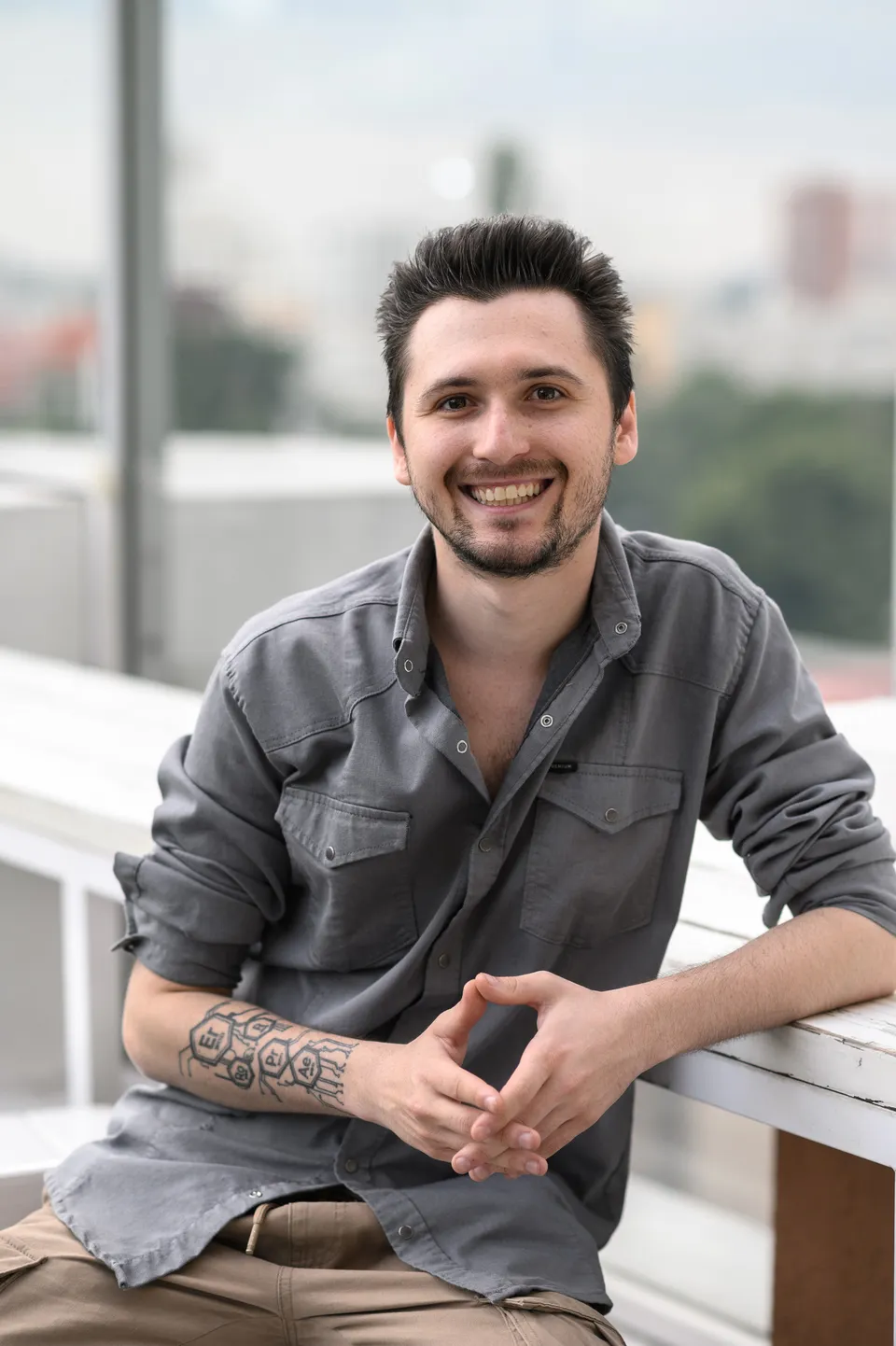
My own project, NHP. I started out as a DJ.
Soldered my own smart home on ESP32, know my way around wiring and car repair. What I don’t know, I pick up fast.
Almost every evening. Favourite — the first Iron Man, for the realism of its visuals. Also the first Transformers films, The Physician and Peculiarities of the National Hunt.
Playing The Witcher 3, reading the Strugatsky brothers (Monday Begins on Saturday), walks in the park.
Write1 · get in touch
Telegram is the fastest way to reach me. Available 10:00–19:00 Moscow time (UTC+3).